Last Updated on November 10, 2025 by Toya
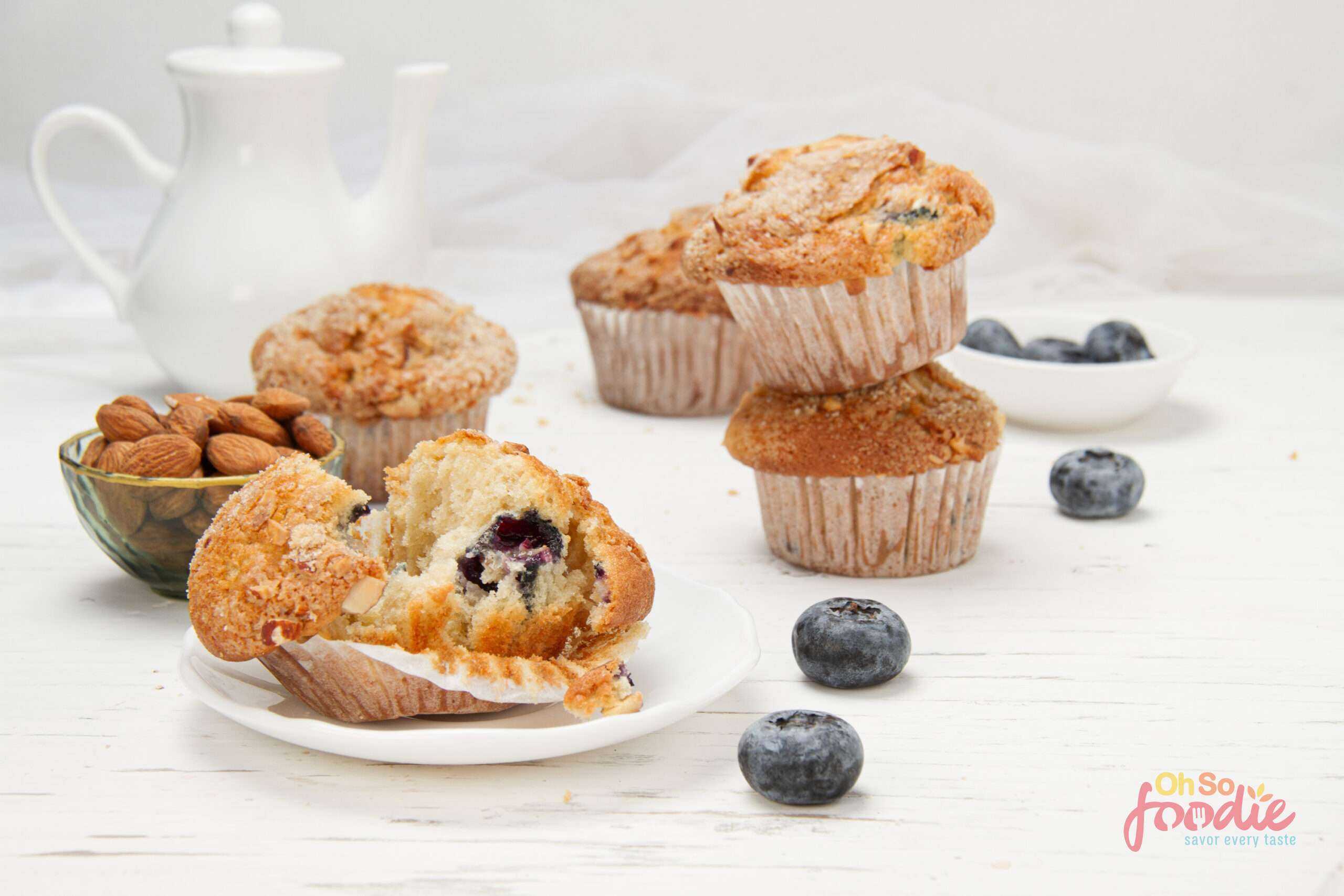
Making homemade muffins should be the easy bake, right? But then you get in the kitchen and somehow they come out flat, a little tough, or just… not bakery cute. Even when you’ve got a solid recipe and the steps look simple, they still don’t rise the way you want. If that’s been happening—muffins bake up low, a bit dense, or are missing those pretty domed tops—I’ve got you. Here are 7 really simple muffin hacks you can use to fix it.
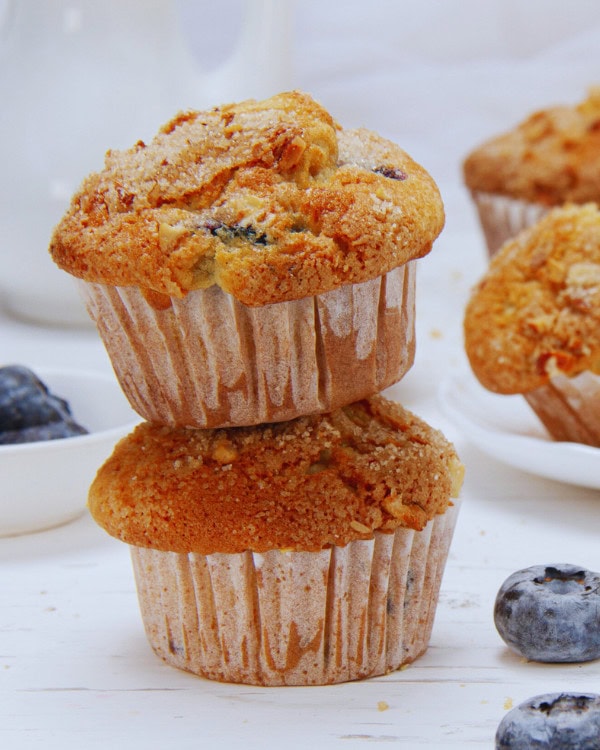
I always use these 7 simple tweaks to make sure my muffins rise higher and bake lighter and so that I get those tall domed tops that are so goregous. These are really small tweaks but too—simple things like measuring ingredients (especially flour) properly, how to keep your batter thick, the perfect oven temp plus a temprature hack that makes all the difference—but together they make a big impact on your finished homemade muffins.
If you’re still interested keep reading for these easy muffin hacks.
Why you’ll love this:
- You’ll increase your chances of getting taller, rounder muffin tops (not flat pans).
- Your batter will stay moist instead of rubbery.
- These tips work with most basic muffin recipes.
- All steps are quick so these are perfect for weekend baking.
- You’ll finally know why your muffins weren’t rising so you never make these mistakes again.

7 Tricks for Lighter, Fluffier Muffins (Tall Bakery Tops)
1. Measure the flour the right way
Too much flour is the fastest way to get those heavy unappetizing muffins. To prevent this, pay close attention to this step. Scoop-and-pack can add 2–4 extra tablespoons of flour. This is usually what dries the batter and prevents a good rise. The best option is to spoon the flour into your cup and level it off.
Why Too Much Flour Is Bad: You need a flour-to-liquid ratio that keeps the batter thick, but, it still needs to able to expand in the oven so your muffins don’t bake up dense. Most muffin recipes already have the right ratio, but, if you’re adding extra flour (4 tablespoons = ¼ cup flour), you’re throwing the whole recipe off!
2. Don’t overmix the batter
Aftering adding the wet ingredients to the dry, stir gently until you don’t see dry flour. But, some lumps are okay and highly recommeneded. What you don’t want is a glossy, elastic batter which is what you’ll get if you overmix.
Why Overmixing Is Bad: Overmixing will develop gluten and gluten equals chewiness. But, the best muffins are tender. Therefore aim to keep the stirring to a minimum. I usually do about 10–15 stirs.
3. Aim for a thick batter, not pourable
Fluffy, tender homemade muffins usually start with batter that’s more scoopable than it is runny. If your batter is super thin (too much liquid, not enough flour) your muffins will not rise up.
Thick muffin batter can easily hold its shape in the pan, so when your muffins are placed in the hot oven, they actually lift upwards instead of spreading sideways. So a thick muffin batter is what you need if you want to create those tall muffin crowns.
4. Use the right leavening combo
Most muffin recipes use baking powder. Some also add a little baking soda if there’s an acidic ingredient like buttermilk, yogurt or lemon). Make sure you’re not just swapping randomly—instead follow the recipe.
Baking powder gives you reliable lift. Baking soda reacts fast with acid, giving that extra “oomph.” When both are balanced, you will get maximum rise!
5. Rest the batter 10–15 minutes before baking
It’s a great idea to let the mixed batter sit on the counter while the oven heats up. The flour gets a chance to hydrate properly and the leaveners start working. That short rest helps the batter puff more quickly in the oven too, which means you get higher muffin tops.
6. Fill the muffin cups higher than you think
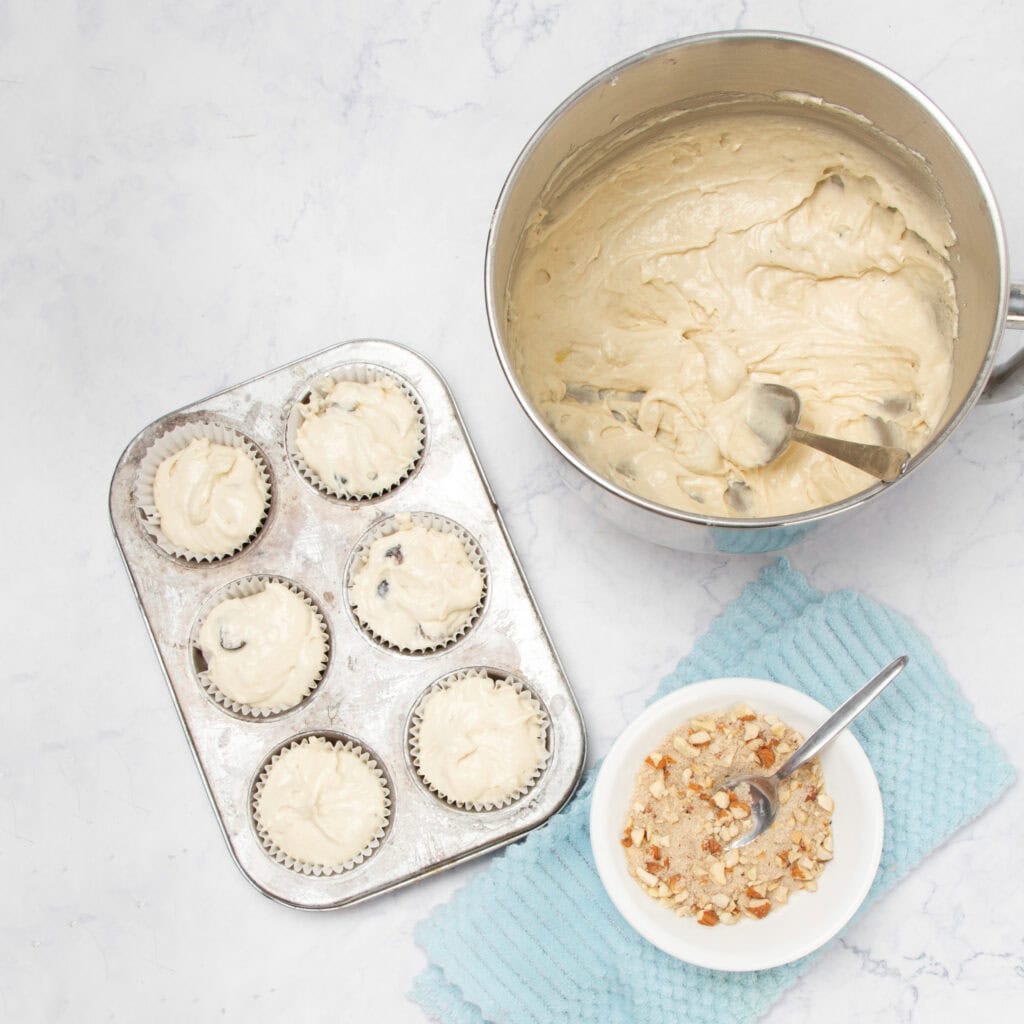
If you’re going for tall muffins, fill each muffin cup or well almost to the top—about ¾ to full, depending on your pan and recipe.
If you want extra, mega high muffins, you can overfill each muffin cup and make a couple less muffins.
If a few wells are left empty, add a little water to the empty ones so the pan heats evenly.
Why this works: When you only fill a muffin cup halfway, the batter doesn’t have a lenough height in the cup to rise into a tall muffin. So as the heat hits, it rises a little, spreads a little, and you end up with a short muffin. But wWhen you fill the muffin cup ¾ of the way to almost full—like most bakery muffins—the extra batter, there’s simply more batter in the cup, so as the leavening activates, it has to go up before it can spill over. hat taller batter layer is how you get that rounded, domed top.
7. Start hot, then lower the heat
Bake the muffins at a higher temp for the first 5–8 minutes (425°F is common), then drop to 350°F to finish.
The higher heat at the beginning gives you that “oven spring.” This is the moment when the batter rises the fastest—the tops rise and start to set.
Once this happens, drop the temprature to 350°F to let the inside cook through without burning or over-browning the tops.
Why this works: The first blast of heat makes it so that batter spring up quickly and set the domed top. The lower temprature later on helps to finish up the baking so the insides cook through without drying the muffins.
Basic Muffin Recipe (So You Can Use These Tips Right Now)
This is a plain muffin base you can use for blueberry, chocolate chip, lemon, or cinnamon sugar muffins. It’s thick, it rises well, and it works with the “start hot, finish low” method I spoke about earlier. This recipe makes 6 jumbo muffins. Here’s how to make it:
Ingredients
- 1 1/2 cups all-purpose flour (spooned & leveled)
- 2 tsp baking powder
- ½ tsp fine salt
- ½ cup granulated sugar
- ½ cup buttermilk (room temp if you can)
- ¼ cup neutral oil
- 2 Tbsp melted butter, cooled
- 2 medium eggs
- 1/2 tsp vanilla extract
(Add-ins: 1 cup berries or chocolate chips folded in gently at the end.)
Instructions
- Prep the pan: Line a muffin pan with liners. And preheat the oven to 425°F.
- Mix dry: In a large bowl, whisk together the flour, baking powder, salt, and sugar.
- Mix wet: In another bowl, whisk buttermilk, oil, butter, eggs, and vanilla until smooth.
- Combine: Pour the wet ingredients into the dry ingredients and stir gently just until you don’t see dry flour. Remember, the batter need to be thick, not overmixed. 10 – 15 stirs is a good gauge.
- Fold add-ins: If you’re using berries or chocolate chips, gently fold them in now.
- Fill high: Divide the thick batter between the muffin cups, filling each about ¾ full to almost full.
- Bake on high heat, then lower the heat: Bake at 425°F for 5–8 minutes, then without opening the oven, reduce the heat to 350°F and bake 10–12 minutes more, or until a toothpick comes out clean.
- Cool: Let the muffins cool in the pan for about 5 minutes, then move to a rack.
Why this base works: It has a solid amount of baking powder, it keeps the batter on the thicker side, and the two temprature bake gives your homemade muffins those tall tops.
Tools you need for Homemade Muffins:
- 6 or 12-Cup Nonstick Muffin Pan
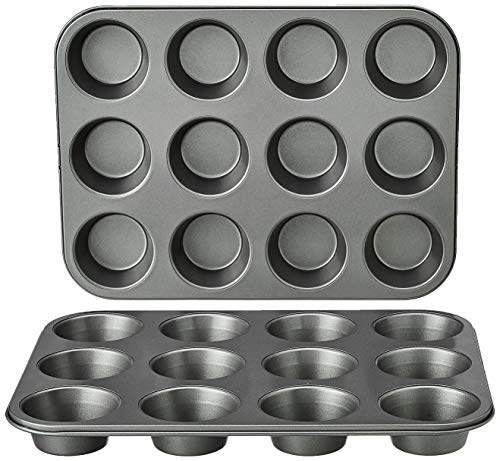
A good pan heats evenly so the muffins rise the same in every cup. This one also releases easily, so the domes don’t tear.
- Parchment Baking Cups (no sticking!)
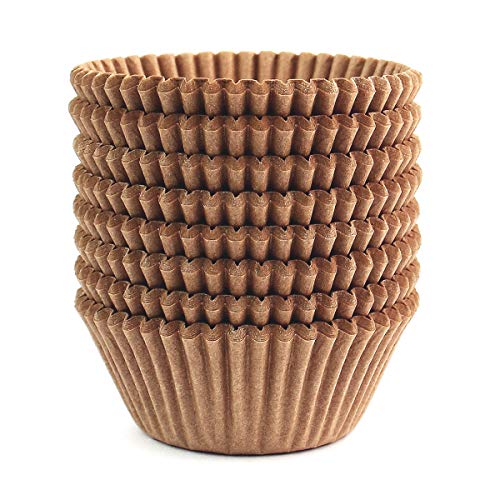
These peel right of, so you don’t lose half the muffin to the liner. They also look nicer in photos.
- Large Cookie Scoop (for even domes)

Scooping the same amount into every cup is how you get uniform height. It also makes filling ¾–full way faster.
Frequently Asked Questionss
Why are my muffins flat?
Flat muffins are usually the reesult of three things: the batter was too thin, the oven wasn’t hot enough at the start, or the cups weren’t filled high enough. Fix these issues if you want tall muffins.
Why are my muffins tough or rubbery?
That’s almost always overmixing. Next time, stir just until combined and let the batter rest.
Why did my muffins spread over the pan?
Either the batter was too thin or you overfilled and the oven was too low. Start with 425°F for a few minutes.
Save this + what to bake next
Pin or save this so the next time you bake muffins, you can follow these 7 steps for the perfect finished result!