Last Updated on July 20, 2025 by Toya
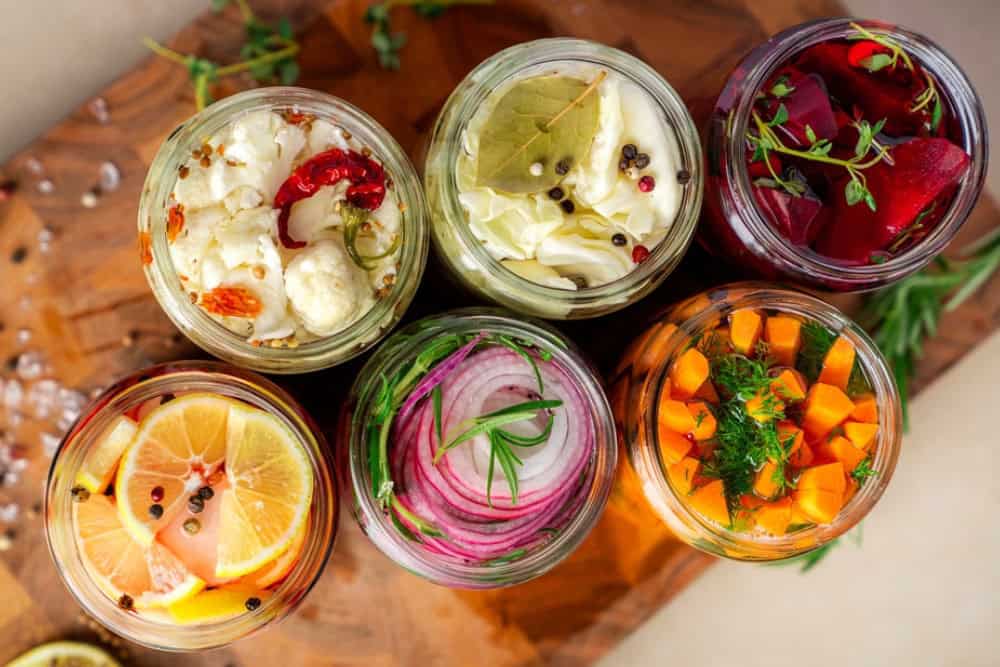
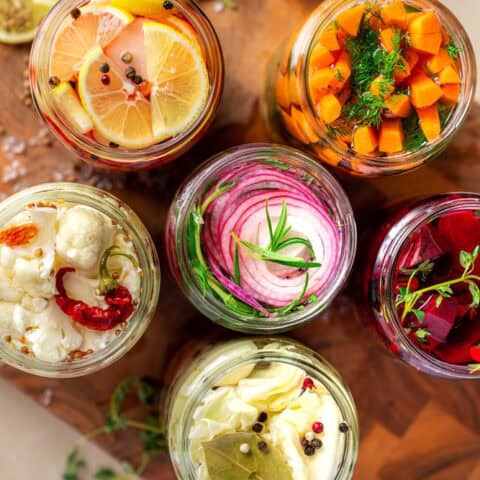
If you’re looking for a simple way to preserve your fresh produce this summer, this post will show you how! It’s all thanks to using the quick pickling method! With my simple guide, you’ll see how to quick pickle all types of produce including beets, cauliflower, green beens, carrots, onions, cucumbers and another other veggies you have access too!
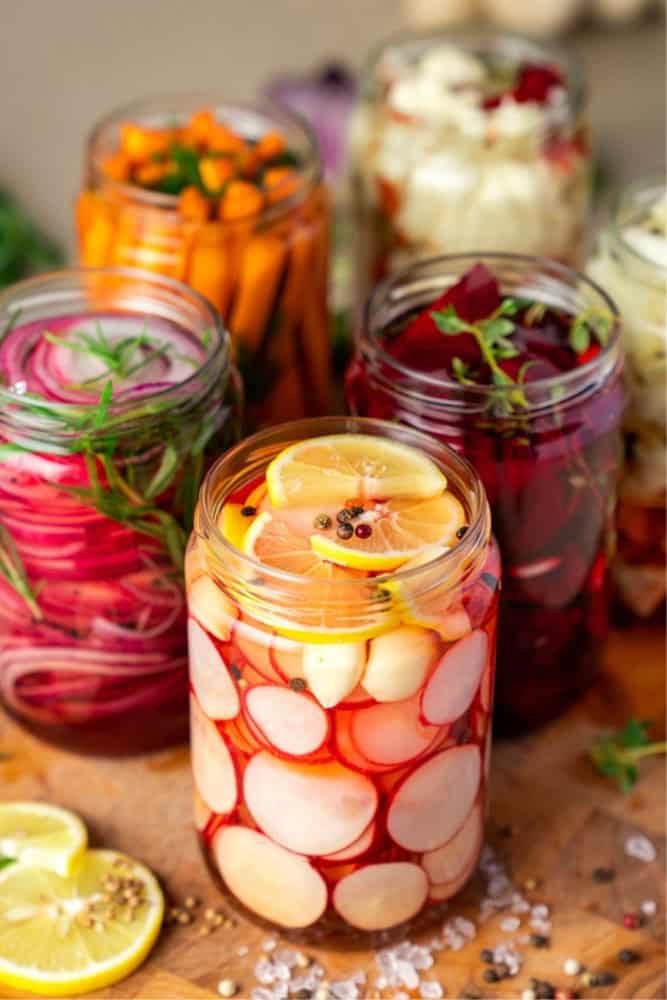
This process is super easy and what also great about it is that you only need 10 minutes or less of prep time for each of these!
Keep reading as I show you step by step how to quick pickled red onions for tacos, or how to make quick pickled cucumbers for sandwiches, or even how to make some amazing quick pickled garlic to snack on. The best part? There’s no canning and no special equipment needed —just a quick brine, a jar, and your fridge.
What is Quick Pickling?
Quick pickling (also known as refrigerator pickling) is the process of soaking fresh vegetables in a vinegar-based brine. It is unlike traditional canning, in that you don’t need to heat-seal the jars or store them for months. Instead, this quick and easy method produces pickles in just a few hours, and they last up to 2–4 weeks in the fridge.
The Best Veggies to Quick Pickle
Honestly, you can quick pickle just about anything including even grapes, but here are some of the most popular quick pickled vegetables you can make for summer:
- Quick Pickled Red Onions – These are perfect for tacos, burgers, and salads.
- Quick Pickled Cucumbers – Everyone knows about these. They’re a crunchy snack that are perfect for burgers and sandwiches.
- Quick Pickled Garlic – These sweet, tangy garlic cloves and can eaten straight from the jar!
- Quick Pickled Beets – These are great for salads or as a colorful side.
- Quick Pickled Carrots – These are perfect for snacking or adding to banh mi sandwiches.
- Quick Pickled Jalapeños (or Mixed Hot Peppers) –These add some much needed spiciness to tacos, nachos, sandwiches, and salads.
- Quick Pickled Cherry Tomatoes – These are perfect for tossing into pasta salads, grain bowls, or having as a quick tangy snack.
- Quick Pickled Cauliflower Florets – These are great for platters, snack boards, or crunchy BBQ sides.
- Quick Pickled Corn Kernels – These are sweet and tangy and peerfect for tacos, salads, or served with grilled meats.
- Quick Pickled Cabbage (Slaw Style) – These are the perfect topping for sandwiches, tacos, and BBQ plates.
These are just some of the veggies that you can pickle. Some more include green beans, baby potatoes, bell peppers, zucchini, swiss chard and more!
The Best Mason Jars for Quick Pickling
For small-batch quick pickling, I love using these SEWANTA Wide Mouth Mason Jars (16 oz). They’re the perfect size for pickled onions, cucumbers, carrots, and other veggies. I like these jars because they are:
✅ Wide mouth for easy filling and pouring. They’re also easy to take pickled veggies out of.
✅ 16 oz size—ideal for fridge storage and holding 1 pint of pickles.
✅ Come with lids and bands to keep your pickles fresh.
✅ Microwave, freezer, and dishwasher safe
They’re safe to hold without slipping or the fear of sliping, affordable, and look great in the fridge too!
[Grab this 10-pack of SEWANTA Wide Mouth Mason Jars on Amazon!]
![16 oz Wide Mouth Mason Jars [10 Pack] by SEWANTA](https://m.media-amazon.com/images/I/418qy+VyK7L._SL500_.jpg)
Quick Pickling Ingredients
In order to quick pickle your veggies, you need to first make a simple brine recipe. This one works for ANY vegetable:
- 1 cup vinegar (I prefer white vinegar but apple cider vinegar works too)
- 1 cup water
- 1 tablespoon sugar (optional, for balance)
- 1 tablespoon salt
- Optional spices (like black peppercorns, mustard seeds, garlic cloves, fresh dill. I prefer my homemade pickling spice mix here.)
This simple brine reicpe makes enough for 1 pint-sized jar (or 2 cups or 16 ounces) of quick pickled veggies.
How to Quick Pickle Vegetables (10-Minute Prep Method
Start by slicing the veggies. You can cut them however you like— for example, thin slices for onions and cucumbers, sticks for carrots, wedges for beets.
Then pack the sliced veggies into clean glass jars with tight fitting lids. Like these ones I got from amazon.
Then grab a saucepan to make the brine. You will combine the vingeagr, water, salt and sugar together and bring to a simmer until the salt and sugar dissolves. Roughly 3-5 minutes.
Pour the brine over the veggies (inside the glass jar) making sure the veggies are fully submerges.
Let this cool at room temperature, then cover and refrigerate! Then enjoy!
How Long Until Quick Pickled Veggies Are Ready?
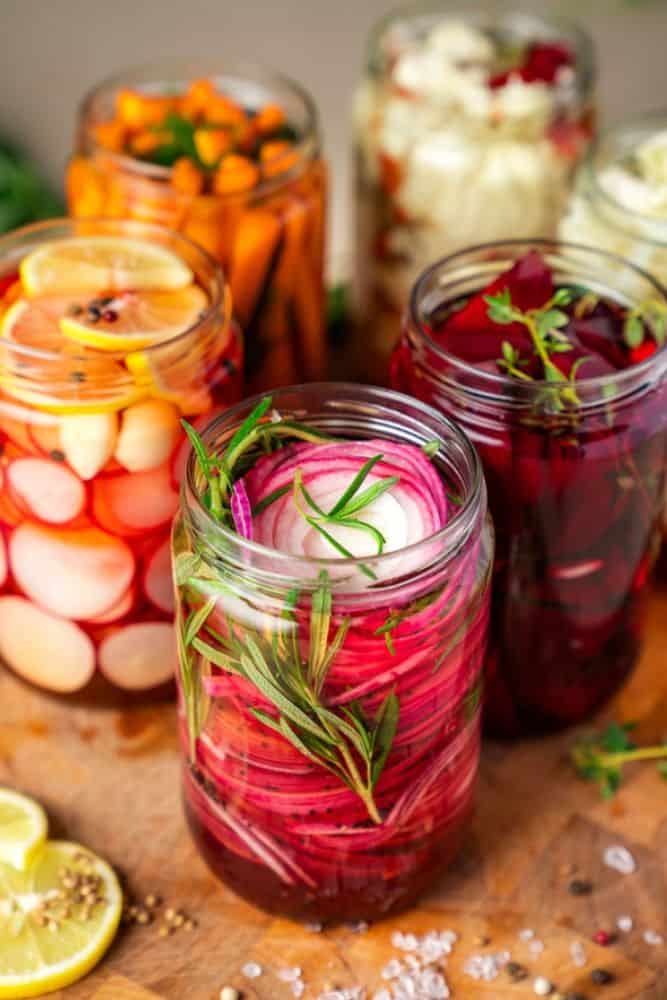
The time depends on the veggies being pickled. Some veggies take up to 24 hours while others only need half and hour to be ready. For example, red onions & cucumbers are ready in 30 minutes –1 hour. Although they taste amazing when you wait a little longer. One the other hand, vegetables like garlic, beets & carrots taste their best after 12–24 hours.
Below, I’ll share a table with the most popular veggies and how long they need to be ready.
| Vegetable | Ready To Eat In | Best After |
|---|---|---|
| Red Onions | 30 min – 1 hour | 2–4 hours |
| Cucumbers | 1–2 hours | 24 hours |
| Garlic | 12–24 hours | 2 days |
| Beets | 12–24 hours | 2–3 days |
| Carrots | 12–24 hours | 2 days |
| Jalapeños/Hot Peppers | 1 hour | 24 hours |
| Cherry Tomatoes | 2–3 hours | 1 day |
| Cauliflower | 12–24 hours | 2 days |
| Corn Kernels | 1–2 hours | 6–8 hours |
| Bell Peppers | 4–6 hours | Overnight |
| Green Beans | 12–24 hours | 2 days |
| Kale/Chard Stems | 12–24 hours | Overnight |
| Zucchini | 2–4 hours | 1 day |
| Baby Potatoes | 24 hours | 2–3 days |
| Asparagus | 12–24 hours | 2 days |
| Snap Peas | 2–3 hours | 1 day |
| Shallots | 30 min – 1 hour | 4 hours |
| Radishes | 30 min – 1 hour | 2–4 hours |
| Cabbage (Slaw) | 2–4 hours | Overnight |
Besides how long these take to be ready. They each will keep in the fridge for 2-4 weeks. Remeber to use clean utensils when They’ll keep in the fridge for 2–4 weeks. But, you must ensure that you’re always using a clean spoon or fork when taking the veggies out of the jar. Do not use your fingers or a utensil that’s touched other foods—this helps prevent bacteria from getting into the brine so your quick pickled vegetables stay fresh for as long as possible.
Frequently Asked Questions
How long do quick pickled vegetables last?
Quick pickled vegetables can last for up to 2–4 weeks in the fridge when they’re stored properly in an airtight, clean glass jar. It’s also important that you always use a clean spoon or fork when serving the pickled veggies to keep the brine free from any bacteria.
Do quick pickles need to be refrigerated?
Absoulety! Quick pickles are not shelf-stable because they’re not canned. So, always store them in the refrigerator to keep them fresh and safe to eat.
Can I reuse the brine?
You can reuse the brine once to pickle another small batch of vegetables within a few days, but the flavor and acidity is likley to weaken. So, it’s best to make a fresh batch of brine each time.
Can I mix different veggies in the same jar?
Yes you can! You can combine vegetables with similar textures and pickling times, like cucumbers, onions, and peppers. Just remember that some (like beets) may stain lighter veggies.
Why did my brine get cloudy?
A slightly cloudy brine is normal. But if it smells off, gets slimy, or has mold, discard it immediately.
This is all the informationyou need to best tasty refrigerator pickles to preseve abundant veggies! Ready to make your own? Check the recipe card below!
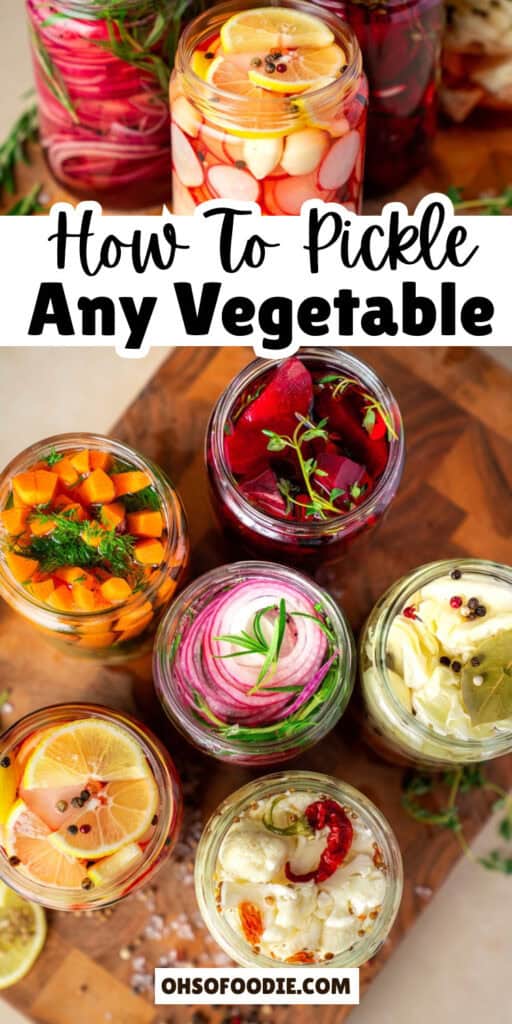
Quick Pickled Veggies
Ingredients
Pickling Brine Base Recipe (Enough for 1 Pint, 2 (16-ounce) jars or 3 (10-ounce) jars)
- 1 cup vinegar (I prefer white vinegar but apple cider vinegar works too)
- 1 cup water
- 1 tablespoon sugar (optional, for balance)
- 1 tablespoon salt
- Optional spices (like black peppercorns, mustard seeds, garlic cloves, fresh dill. I prefer my pickling spice mix here.)
For Pickled Red Onions: Makes 1 pint (16 oz) jar
- 1 medium onion, thinly sliced (about 1–1 ¼ cups packed)
- ½ cup vinegar
- ½ cup water
- 1 ½ teaspoons of sugar
- 1 ½ teaspoons of salt
- Optional: ½ to 1 teaspoon of pickling spice mix
For Pickled Cucumbers: Makes 1 pint (16 oz) jar
- 2 pickling cucumbers, sliced into rounds or spears (about 1–1 ¼ cups packed)
- 5 sprigs fresh dill
- 4 garlic cloves, crushed
- ¾ cup vinegar (white vinegar or apple cider vinegar)
- ¾ cup water
- 1 ½ teaspoons salt
- 1 ½ teaspoons sugar (optional, for balance)
- ½ teaspoon whole black peppercorns or pickling spice mix (optional)
For Pickled Carrots: Makes 1 pint (16 oz) jar
- 2–3 medium carrots, peeled and sliced into thin sticks or coins (about 1–1 ¼ cups packed)
- ½ cup vinegar
- ½ cup water
- 1 ½ teaspoons of salt
- 1 ½ teaspoons of sugar
- Optional: ½ to 1 teaspoon of pickling spice mix
- 2 garlic cloves, smashed (optional)
For Pickled Jalapeños: Makes 1 pint (16 oz) jar
- 4–5 fresh jalapeños, sliced into rings (about 1–1 ¼ cups packed)
- ½ cup vinegar
- ½ cup water
- 1 ½ teaspoons of sugar
- 1 ½ teaspoons of salt
- Optional: ½ to 1 teaspoon of pickling spice mix
For Pickled Radishes: Makes 1 pint (16 oz) jar
- 4 oz radishes (about 8–10 medium radishes, sliced thin = ~1 to 1 ¼ cups packed)
- ½ cup + 2 tbsp vinegar
- ½ cup + 2 tbsp water
- 1 ½ teaspoons of salt
- 1 ½ teaspoons of sugar
- ½ teaspoon pickling spice mix (optional)
For Pickled Garlic Cloves
- 3 - 4 heads of garlic (about 25–30 peeled cloves)
- ¾ cup vinegar (white vinegar or apple cider vinegar)
- ¾ cup water
- 1 ½ teaspoons of sugar
- 1 ½ tsp salt
- ½ tsp whole black peppercorns
- 1 bay leaf (optional)
- ½ tsp mustard seeds (optional)
For Pickled Beets: Makes about 2 quart jars or 1 half-gallon jar
- 4 medium beets, roasted, cooled, peeled & sliced (about 3–3 ½ cups packed)
- 1 cup vinegar
- 1 cup water
- 3 tablespoons of sugar
- 3 tablespoons of salt
- 1 tablespoon of pickling spice
For Quick Pickled Cabbage: Makes 2 pints (32 oz)
- 4 cups shredded red or green cabbage (about ½ small head)
- 1 cup vinegar
- 1 cup water
- 1 tablespoon sugar (optional)
- 1 tablespoon salt
- 1 teaspoon mustard seeds (optional)
- 1 teaspoon whole peppercorns (optional)
For Pickled Cauliflower: Makes One 1-quart (32 oz) jar
- 1 large head of cauliflower (about 6–7 cups florets)
- 1 ½ cups white vinegar (or apple cider vinegar)
- 1 ½ cups water
- 1 ½ tablespoons sugar (optional)
- 1 ½ tablespoons salt
- 4–5 garlic cloves (optional)
- 1 teaspoon black peppercorns (optional)
Instructions
- You will first wash and slice, shred, or cut your veggies of choice into the shape you want (rings, coins, sticks, wedges)
- Then place any optional spices or herbs in the bottom of a clean mason jar and tightly pack in your prepared vegetables.
- Then, using a small saucepan, combine vinegar, water, salt, and sugar and heat the mixture gently until the salt and sugar dissolve (don’t fully boil).
- Once done, carefully pour the hot brine over the vegetables until they’re fully submerged. Alao, gently press with a spoon to remove any trapped air bubbles.
- Let the jar cool at room temperature, the cover and refrigerate.